
Trap
Neuter
Return
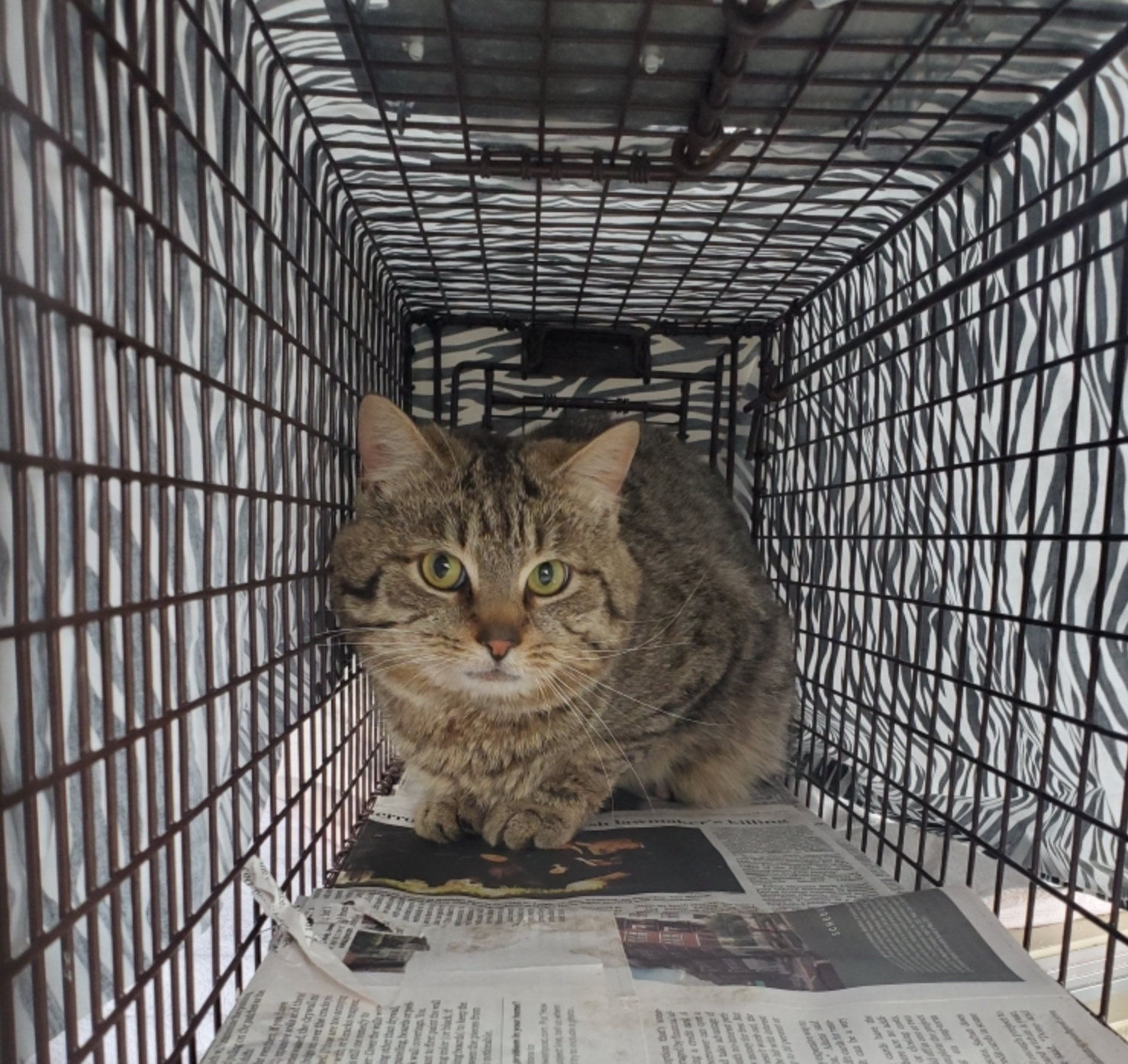
Trap Neuter Return is the most humane and effective way to manage community cat populations. HSBR works with volunteers and the community to humanely trap, sterilize, vaccinate, and return cats to the areas they call home.
Trap • Neuter • Return
(TNR)
What Is TNR?
Trap Neuter Return, often called TNR, is a humane approach to managing outdoor cat populations.
Community cats are:
Humanely trapped
Spayed or neutered
Vaccinated
Returned to their outdoor home
Once sterilized, cats no longer reproduce, behaviors like fighting and yowling decrease, and the population gradually declines over time.
Why TNR Matters
TNR improves the lives of community cats and reduces the number of kittens born outdoors.
Benefits include:
Prevents unwanted litters
Reduces fighting, spraying, and roaming
Stabilizes cat colonies
Improves overall health through vaccination
Helps shelters focus resources on adoptable animals
Since 2016, our TNR program has helped sterilize more than 5,500 community cats in our region.
How Our TNR Program Works
Community members identify outdoor cats that need help.
Cats are humanely trapped using safe traps.
HSBR coordinates spay or neuter surgery with our clinic or partners.
Cats receive vaccinations and an ear tip, which identifies them as sterilized.
Cats are returned to their outdoor home where they continue living without producing kittens.
How You Can Help
Meet the Program Lead
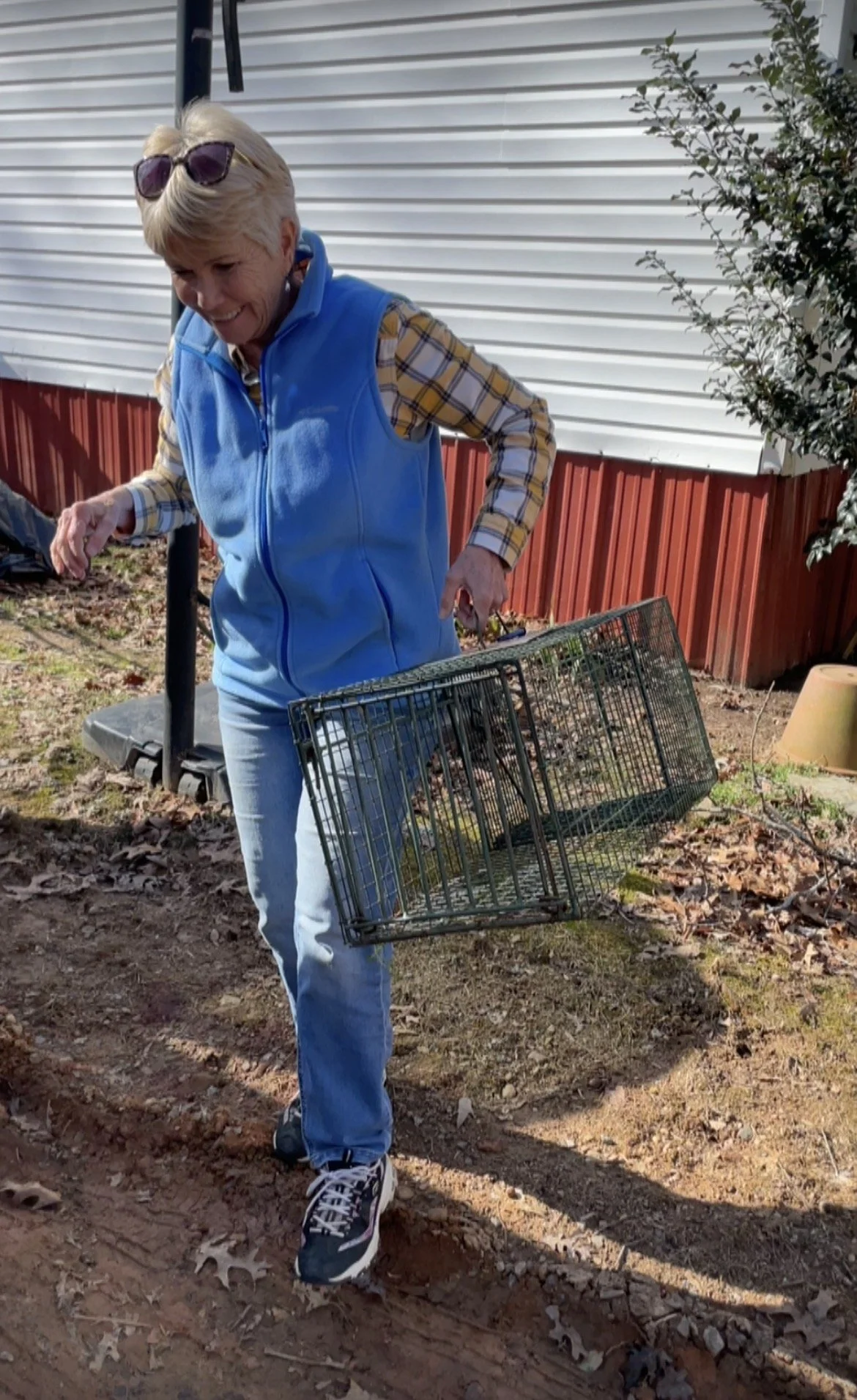
HSBR’s Trap Neuter Return program is led by Liz Lynch and her dedicated volunteers who work tirelessly to improve the lives of community cats across our region.
Through their efforts, thousands of cats have been sterilized and vaccinated, helping reduce suffering and stabilize outdoor populations.
They are super heroes for our community!
FAQ’s
-
A community cat is an outdoor cat who lives in a neighborhood, park, farm, or other outdoor space rather than in a traditional home. Some community cats are friendly and social with people, while others are more feral and prefer little or no human contact.
Many community cats are cared for by residents who provide food and watch over them. Through our Trap Neuter Return (TNR) program, these cats are humanely trapped, spayed or neutered, vaccinated, and returned to the area they know as home.
-
An ear tip is the universal sign that a community cat has already been through a TNR program.
During surgery, a small portion of the tip of the cat’s ear is safely removed while the cat is under anesthesia. This quick procedure allows animal welfare organizations and volunteers to easily identify cats that have already been spayed or neutered.
Ear tipping prevents cats from being trapped and taken in for surgery more than once.
-
Some community cats can be adopted, but many feral cats are not comfortable living indoors with people.
Cats that show signs of being social or friendly may enter the shelter adoption program. Cats that are truly feral are typically returned to their outdoor home after being spayed or neutered.
Returning them to their established territory allows them to live safely while preventing future litters.
-
Yes. While both may live outdoors, feral cats and stray cats are different.
Stray cats were once socialized to people but may have become lost or abandoned. Because they are used to human interaction, many strays can successfully transition back into homes and become adoptable pets.
Feral cats, on the other hand, have had little or no positive contact with people. They are typically fearful of humans and do not adjust well to living indoors.
Through our TNR program, feral cats are spayed or neutered, vaccinated, and returned to their outdoor home where they can live safely without producing kittens.
-
If you find kittens outdoors, the best first step is to observe before moving them.
Mother cats often leave their kittens for several hours while they search for food. If the kittens appear clean, quiet, and healthy, their mother is likely nearby.
If the kittens appear sick, injured, or have been alone for an extended period of time, please contact HSBR for guidance before intervening. Removing kittens too quickly can unintentionally separate them from their mother.
-
Relocating cats is rarely successful and can create a vacuum effect where new unsterilized cats move into the area.
The most effective solution is Trap Neuter Return. Once cats are sterilized, behaviors like fighting, spraying, and loud mating calls decrease and the colony size stabilizes over time.
Our team can help guide community members on the best steps for addressing outdoor cat populations.
-
Yes. Trap Neuter Return is a humane and widely accepted method used by animal welfare organizations across the country.
Cats are humanely trapped, receive spay or neuter surgery, vaccinations, and basic medical care, and are returned to their outdoor home once they have recovered.
Sterilization improves their health, reduces fighting and roaming, and prevents future litters of kittens.
-
Community members play an important role in helping community cats.
Ways you can help include:
• Reporting outdoor cat colonies that may need assistance
• Volunteering to help with humane trapping
• Providing temporary foster space for recovering cats
• Supporting the program through donationsIf you are interested in helping with trapping or would like guidance about community cats in your area, please contact HSBR to learn more about how to get involved.